
In today’s popular perception, high heels are often considered women’s footwear, but historically, men wearing high heels is not a new phenomenon. Early heels were closely associated with horseback riding, military status, court etiquette, and social standing, only later gradually being incorporated into women’s fashion. Looking back at the history of high heels for men, we can see that the gender attributes of heels are not fixed but have been continuously influenced by social structures, clothing concepts, and popular culture.
Men’s Heels Were Initially Related to Horseback Riding
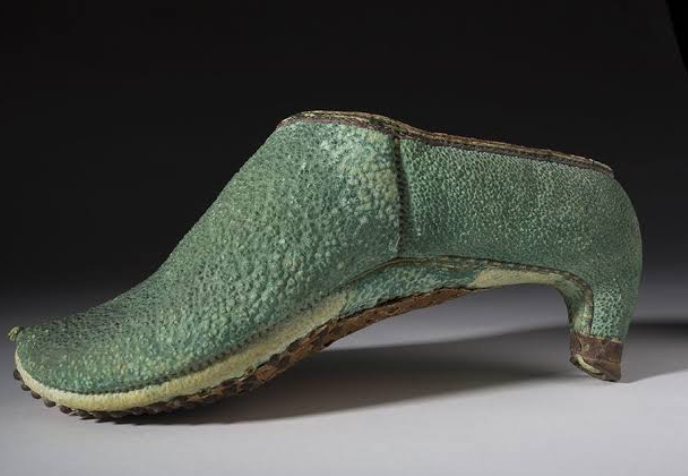
One of the important functions of early high heels was to help riders stabilize their feet. When riding, heels could hold the stirrups in place, reducing the possibility of the foot sliding forward. For soldiers and nobles who needed to ride frequently, the heel was primarily a practical structure, not a means of enhancing leg lines.
With trade and the exchange of clothing between different regions, heels gradually entered European upper-class society. Equestrian attire was often associated with military ability, power, and status; therefore, men wearing heels also carried a clear status symbol. 1. The more intricate the heel, the more complex the materials and decorations used, the more it implied that the wearer did not engage in strenuous labor.
Men’s High Heels in European Courts
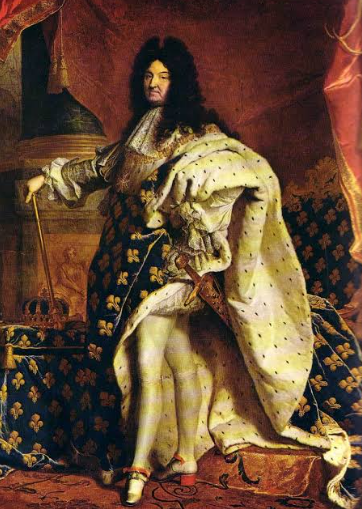
In European court culture, high heels were an important part of men’s formal attire. Nobles would pair heels with stockings, knee-length trousers, coats, and ornate accessories to enhance body proportions and a sense of ceremony through the overall outfit.
Men’s high heels of this period were typically not the stilettos commonly seen today, but rather wider, more stable heels. The uppers might be made of leather, silk, or brocade, and adorned with embroidery, buckles, and vibrant colors. Heel height not only affected visual appeal but also reflected social status, as wearing footwear that was inconvenient for labor itself suggested a higher social standing.
High heels were not considered exclusively for women at the time. On the contrary, they could represent male authority, wealth, and courtly taste. This illustrates that the gender significance of footwear did not derive from its design itself, but was assigned by the social rules of the specific era.
Why Men Gradually Moved Away from High Heels
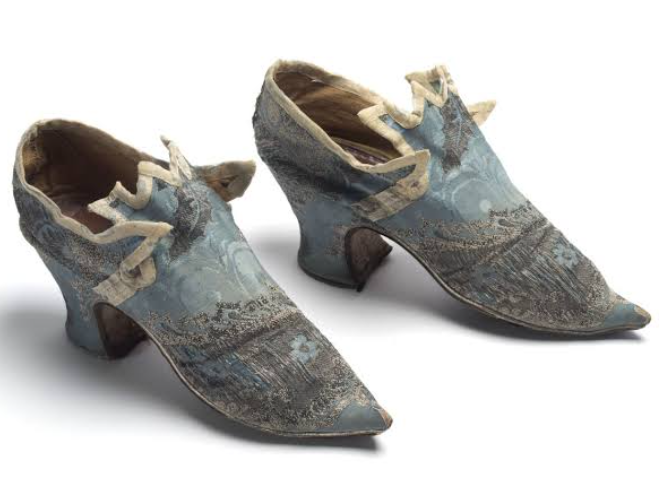
In the modern era, men’s clothing gradually shifted towards simplicity, restraint, and practicality. Social aesthetics began to emphasize rationality, professional competence, and ease of movement, leading to a decrease in overly ornate menswear and a corresponding reduction in the heel height of men’s shoes.
Meanwhile, women’s clothing retained more decorative elements. High heels began to establish a closer connection with skirts, evening gowns, and the female form. Through long-term advertising, film portrayals, and the shaping of commercial fashion, high heels gradually became widely understood as a feminine item.
This change did not mean that men completely stopped wearing high heels. Riding boots, cowboy boots, stage shoes, and some formal shoes still retain some heel, although they are not usually directly categorized as “high heels.” Thus, heels in men’s footwear never truly disappeared, but rather existed in a form more in line with modern men’s fashion norms.
The Return of Men’s High Heels in Modern Fashion

In contemporary times, designers began to re-examine the relationship between footwear and gender. In fashion shows, musical performances, and street culture, an increasing number of men are choosing platform shoes, ankle boots, Cuban heels, or stilettos to express their personal style.
Modern men’s high heels no longer need to replicate traditional women’s footwear. Designers can strike a balance between stability and visual impact by widening the heel, adjusting the arch, adding a thicker sole, or employing geometric structures. Some heels are even designed in the form of abstract architecture, metal frames, or art installations, making the footwear resemble wearable sculptures.
This trend also connects to the concept of Sculpture Heel Shoes. Sculptural footwear emphasizes structure, proportion, and spatial form; the heel is no longer just a supporting component but becomes the most recognizable design element of the entire shoe. For men’s fashion, this design approach expands the possibilities for footwear expression.
The Future of High Heels Doesn’t Have to Be Gender-Specific
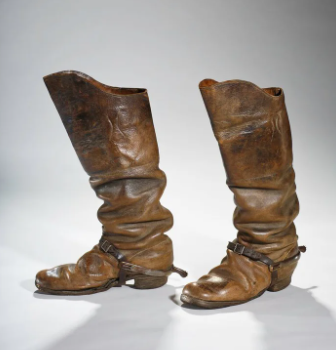
High heels for men’s history shows that high heels have never inherently belonged to a particular gender. They served horseback riding and military activities, and symbolized male power, only later becoming feminized in specific social contexts.
Today, people have a more diverse understanding of clothing. Shoe choices can be based on occasion, comfort, personal style, and design preferences, rather than strictly adhering to traditional gender divisions. The resurgence of men’s high heels is not simply a matter of retro style, but rather a re-examination of footwear history and the boundaries of fashion.
From the wide-heeled shoes of court nobles to the high-heeled boots in stage performances, and then to the sculptural footwear created by contemporary designers, the relationship between men and high heels has been constantly evolving. Understanding this history also helps us to view gender expression in modern fashion more objectively.